Blog
Notes from the build.
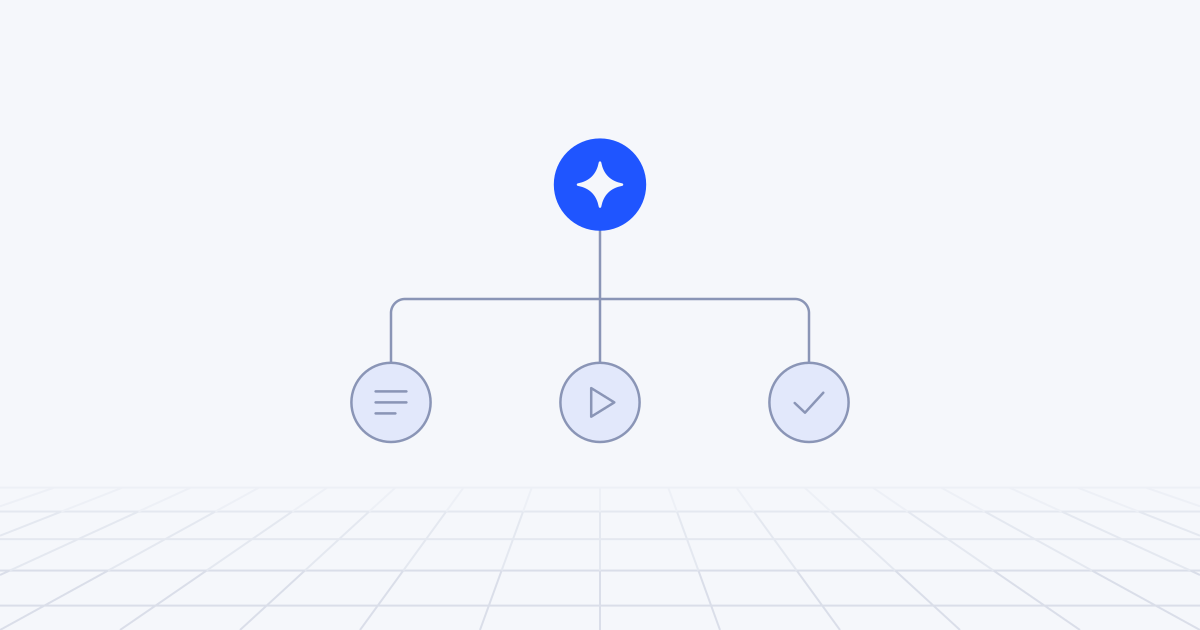
Multi-agent systems: when one agent is not enough
How orchestrator-worker, pipeline, handoff and fan-out designs work, what they cost in tokens, latency and debugging, and when several agents beat one.
Vector database or pgvector: how to choose a vector store
How to choose between Postgres with pgvector and a dedicated vector database, judged on scale, filtering, hybrid search, multi-tenancy and running cost.
Context engineering: what it is and how to do it well
Context engineering is choosing, ordering and trimming what a model reads. A practical guide, with a worked example of cutting a bloated context down.
Document AI: turning invoices, forms and contracts into data
How document AI works now that vision models read pages directly, and what production still needs: schemas, validation rules, review queues and audit trails.
A cloud security baseline for small teams: 20 controls
Twenty cloud security controls for a small team, in the order to do them: identity, keys, secrets, backups, exposure, patching, logging and AI workloads.
AI agents in production: what it takes beyond the demo
What separates an agent demo from a production system: scope, tool design, state, retries, approvals, evals, tracing, cost ceilings and a staged rollout.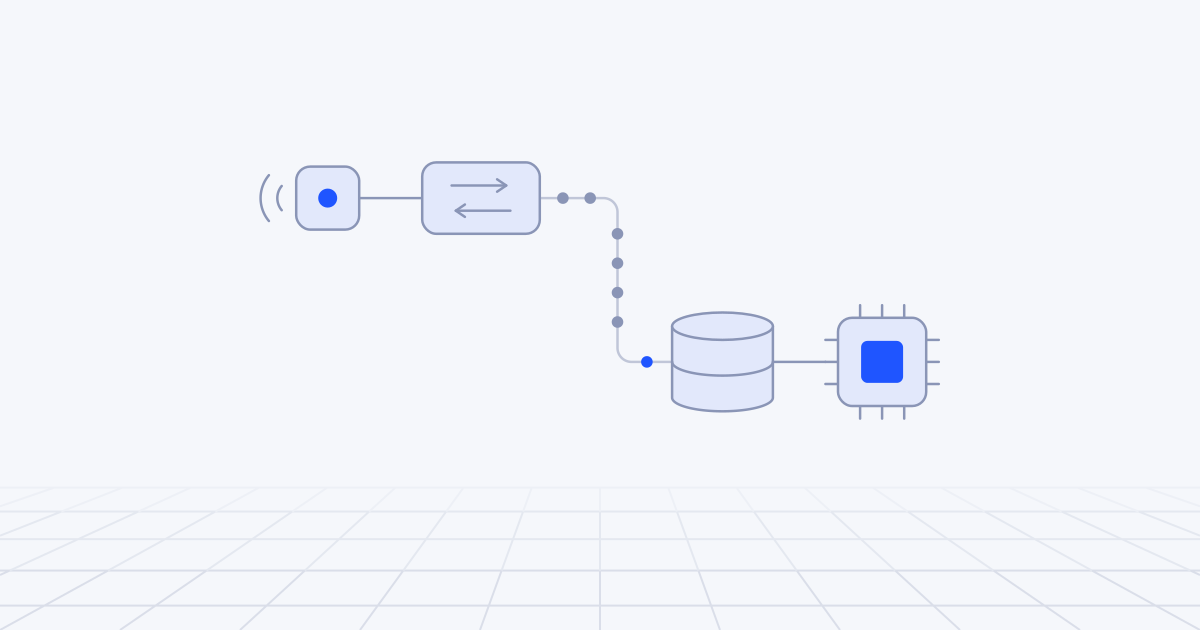
From sensor to model: building an IoT data pipeline for AI
How to move sensor data from device to model: MQTT topics and QoS, brokers, stream processing, time-series storage, clocks, labels and data quality checks.
How to evaluate AI agents before you trust them with real work
A practical method for testing AI agents: build a task set from real cases, choose graders, run regression suites in CI and monitor quality after launch.
Types of AI memory: working, episodic, semantic, procedural
The four memory types borrowed from cognitive science and how each maps to engineering: what it stores, how it is written and read, and how it fails.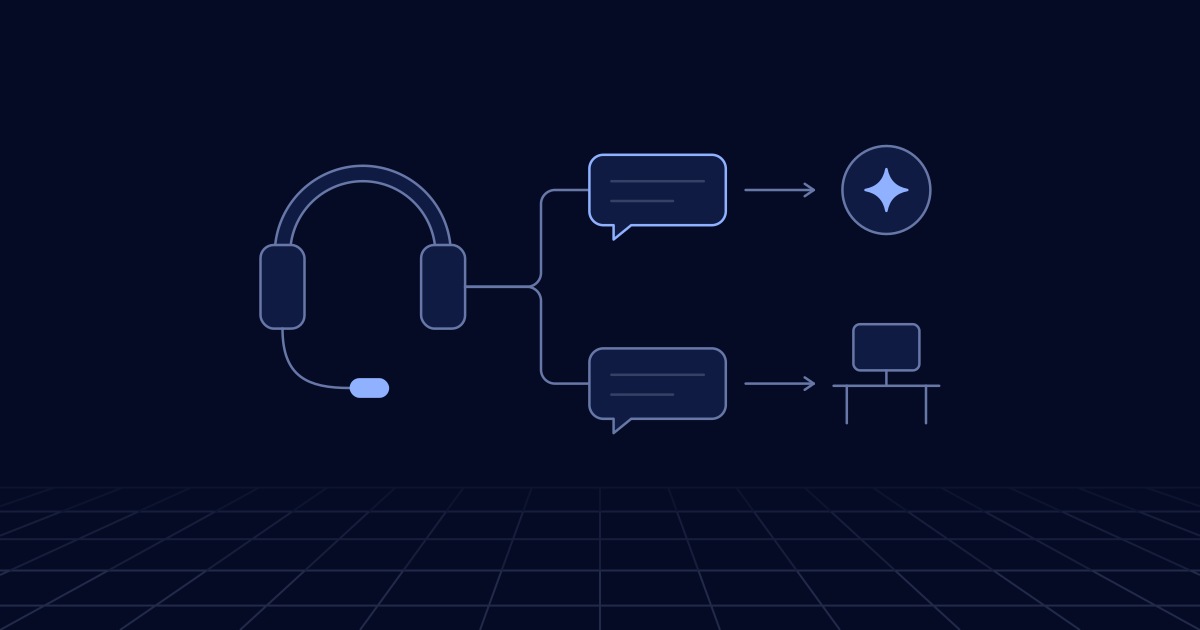
AI customer support: what to automate, what to hand to people
Sort your support queue by risk and repeatability, pick deflection, assisted replies or full resolution for each ticket type, and measure resolution honestly.