Blog
Notes from the build.
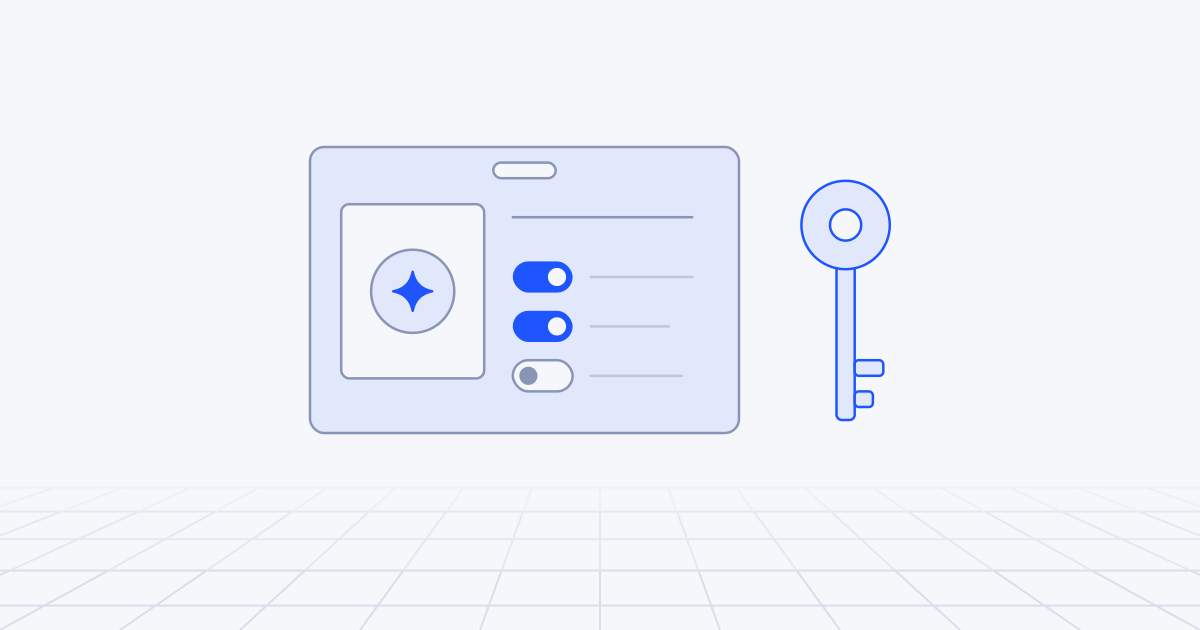
Identity and access for AI agents: permissions of their own
How to give an AI agent its own identity: delegation or acting alone, short-lived scoped tokens, workload identity, approval, audit trails and revocation.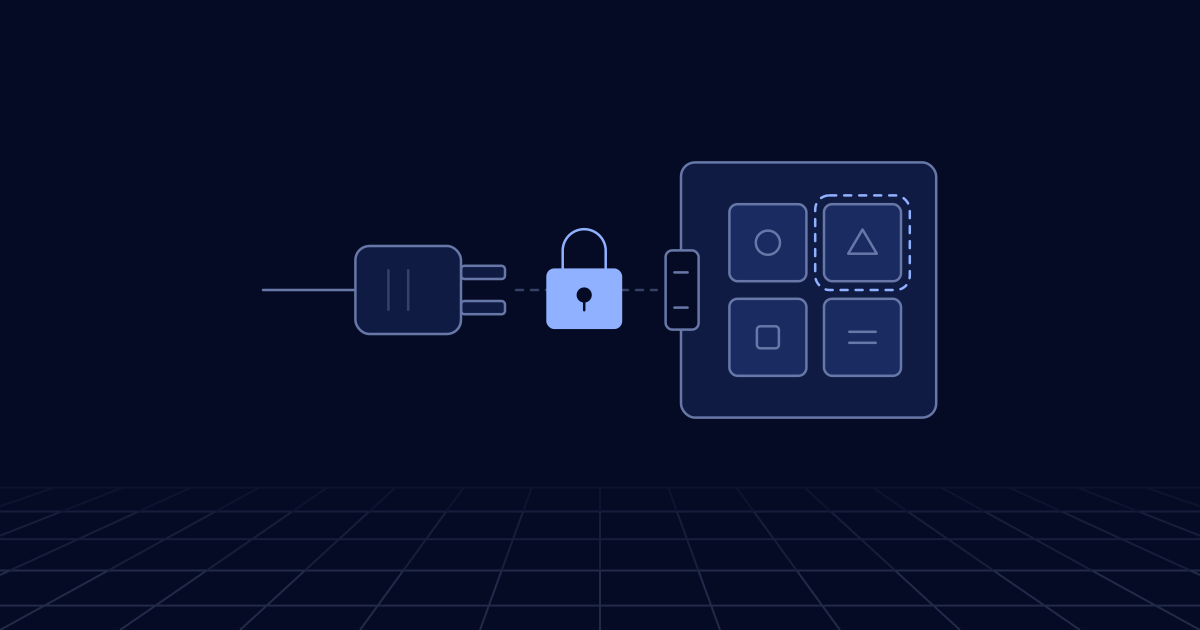
MCP security: tool poisoning, permissions and safe deployment
The security risks of connecting agents to tools through MCP, what the current specification requires and leaves open, and a checklist for safe deployment.
Generative AI for content and marketing teams: a working guide
Where generative AI helps content and marketing teams and where it hurts, with an editor-led workflow, a voice guide, fact-checking and Google's position.
AI coding agents: what changes for software teams
What AI coding agents do well and badly, how review, testing and roles change, which guardrails to set, and how to measure the effect on your team honestly.
Image generation in your product: architecture, safety, cost
A build guide for teams adding a generate button: hosted API or open weights, job queues, moderation, provenance labelling, storage and spending caps.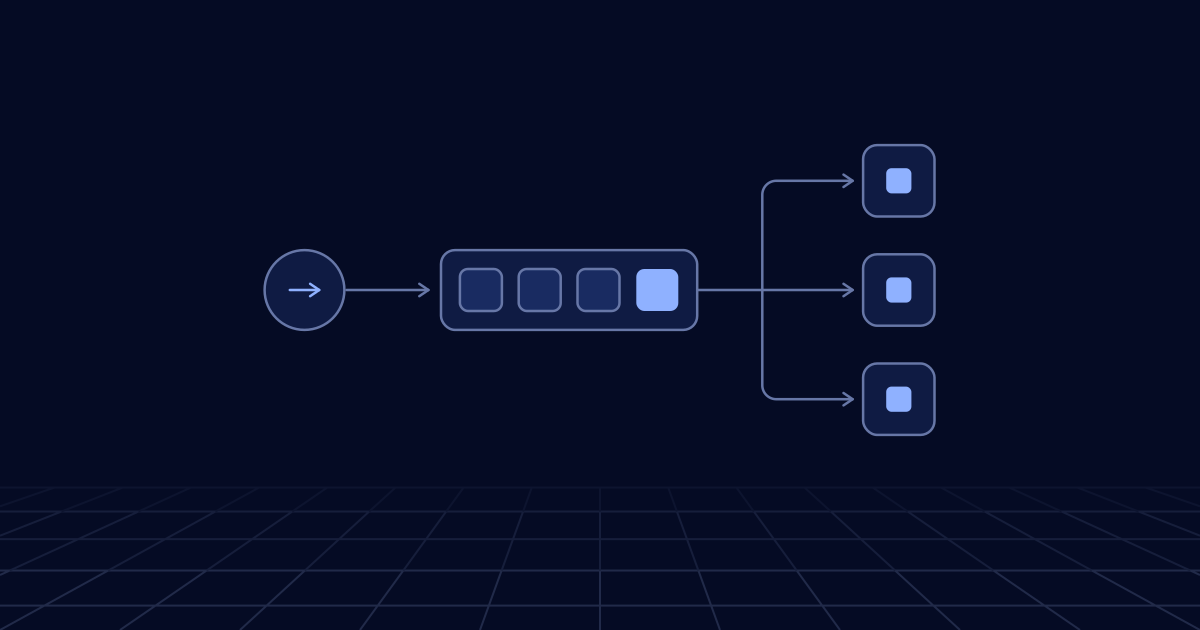
Serverless pub/sub and queues: choosing a messaging service
Queues, pub/sub topics, event buses and streams compared: what each guarantees, the managed services on AWS, Google Cloud, Azure and Cloudflare, how to pick.
LLMOps: monitoring, versioning and evaluating LLM apps
What LLMOps adds to normal operations: versioning prompts, models and tools as one release, tracing every request, and evals in CI and on live traffic.
Choosing an embedding model: quality, size, cost and languages
How to choose an embedding model: hosted or open-weight, dimensions and storage, shortened vectors, languages, leaderboards and testing on your own queries.
Adding an AI copilot to your product: the patterns that work
Six copilot patterns that earn repeat use, plus grounding in user data and permissions, preview and undo, streaming, cost per active user and what to measure.
What is an agent harness? The software around the model
An agent harness is everything around the model: loop, tools, context, memory, permissions, sandbox and tracing. What each part does and how to judge one.